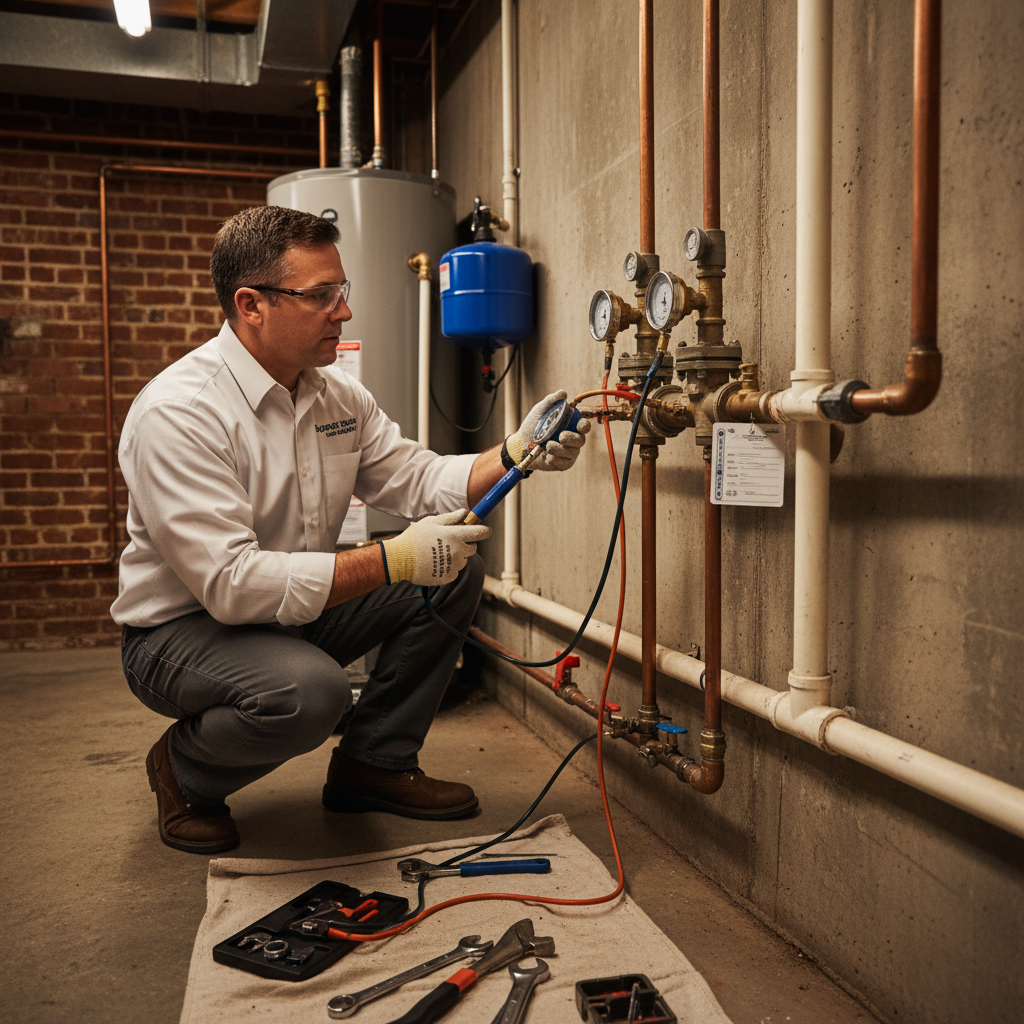
What is an RPZ Backflow Preventer?
A Reduced Pressure Zone (RPZ) backflow preventer is a mechanical plumbing device installed in a water system to prevent contaminated water from flowing backward into the clean municipal water supply. It protects against back-pressure and back-siphonage by using two independent check valves and a relief valve that drains water if a pressure imbalance occurs, ensuring the safety of potable water.
Why RPZ Devices are Critical for Your Property
Backflow occurs when there is a sudden drop in water pressure or an increase in downstream pressure, causing water to reverse its intended direction. Without a functioning RPZ device, hazardous substances like fertilizers, cleaning chemicals, or stagnant water can enter your drinking water.
Common Causes of Backflow:
- Water Main Breaks: Large-scale pipe failures in the municipal grid cause a vacuum effect.
- High-Volume Use: Nearby fire hydrant usage can temporarily drop local water pressure.
- Pump Malfunctions: Irrigation pumps or boiler systems can push dirty water back into the supply line.
Risks of Non-Compliance:
- Health Hazards: Consumption of chemically or biologically contaminated water.
- Legal Liability: Property owners are legally responsible for any contamination originating from their site.
- Service Termination: Water districts may shut off service if annual testing requirements are not met.
The Long Island Context: Water Safety in Nassau and Suffolk
On Long Island, protecting our sole-source aquifer is a top priority for local water districts such as the Long Island Water Authority (LIWA) and various town water departments in Nassau and Suffolk County. Our region’s unique water infrastructure faces specific challenges:
- Coastal Pressure Shifts: Seasonal changes and high-demand summer months (due to irrigation) can strain local water pressure.
- Strict Regulatory Oversight: New York State Health Department (DOH) Chapter 1, Part 5 requires that backflow devices be tested annually by a certified tester.
- Aging Infrastructure: Many older homes in areas like Hempstead or Huntington have outdated plumbing that requires modern RPZ retrofitting to meet current safety codes.
Homeowner Guidance: Maintenance and Safety
While an RPZ device is a complex mechanical assembly, homeowners can perform basic visual checks to ensure the system is operational.
What You Can Check:
- Visual Leaks: Constant dripping or a steady stream of water from the relief valve discharge port indicates a potential internal failure.
- Access: Ensure the area around the RPZ is clear of debris or storage items so a technician can access it easily.
- Documentation: Keep a folder of your previous ‘DOH-380’ test forms to track your annual compliance history.
When to Call a Licensed Plumber:
- If the device is leaking constantly.
- When you receive an annual testing notice from your local water district.
- If you hear loud banging or vibrating noises coming from the device area.
- Never attempt to disassemble or repair an RPZ device yourself. These units contain high-tension springs and require specialized calibration tools.
From a Long Island Plumber's Perspective
In our experience across Nassau and Suffolk, we often see RPZ devices that have been neglected because they are tucked away in basements or utility closets. On Long Island, the high mineral content in some local wells can cause scale buildup inside the check valves, leading to premature failure. Regular annual testing isn't just a legal formality; it's the only way to ensure the mechanical components haven't been seized by local sediment or corrosion.
Working with a Local Professional
Ensuring your property meets New York State and local Long Island water safety standards requires precision and certified expertise. If you have received a compliance notice or need a new RPZ installation, consulting with a licensed plumbing professional who holds a valid New York State Backflow Prevention Tester certification is the best way to protect your home and your community’s water supply.