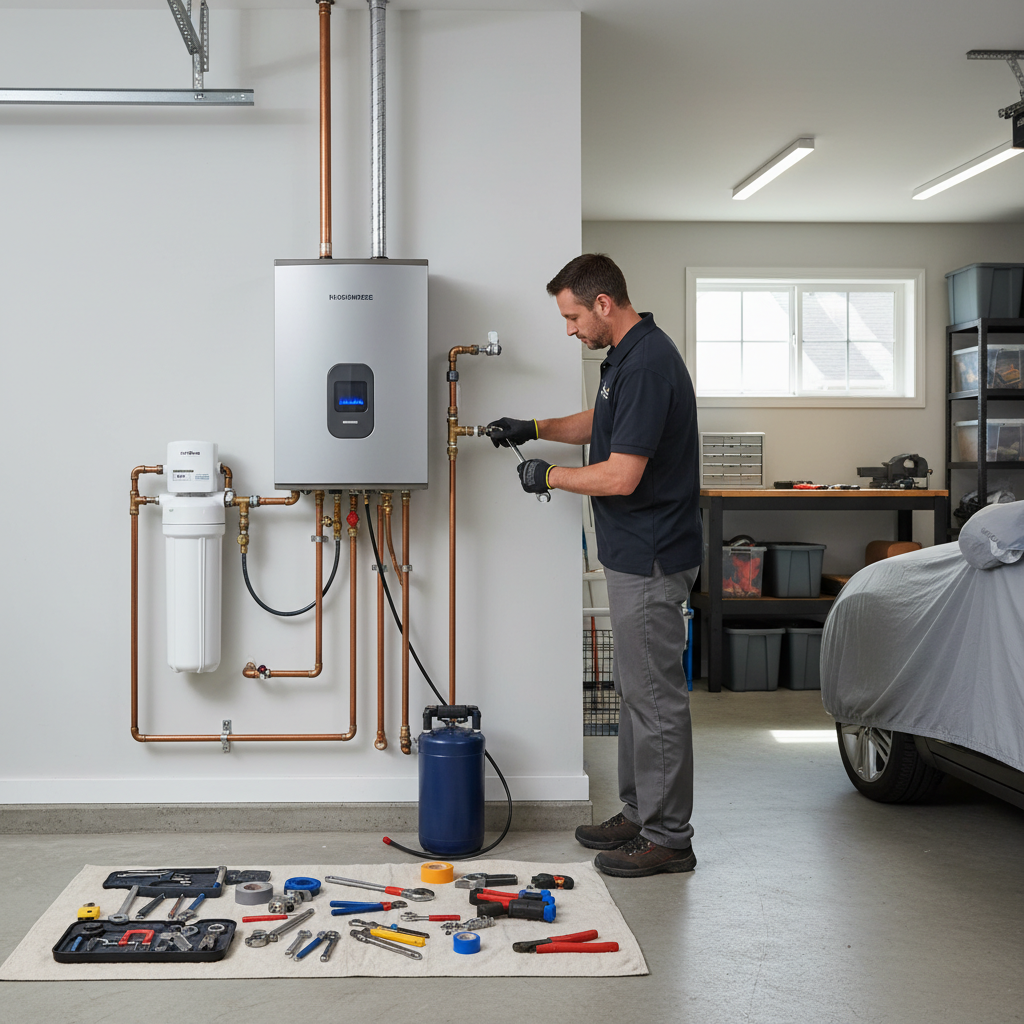
Tankless Water Heater Installation in Centereach, NY
Direct Answer
Tankless water heater installation in Centereach involves replacing traditional storage tanks with on-demand units that heat water via high-powered burners or electric elements. This process requires specialized gas line upgrades, proper venting through exterior walls, and precise sizing based on a home’s peak flow rate. Significant benefits include endless hot water, reduced energy bills, and a lifespan of over 20 years when properly maintained.
Understanding Tankless Water Heaters
Switching to a tankless system is a significant upgrade for Centereach homeowners. Unlike traditional tanks that keep 40–50 gallons of water hot 24/7, tankless units only heat water when a faucet is turned on.
The Installation Process
- System Sizing: A professional calculates the total flow rate (GPM) needed to run multiple fixtures, such as a shower and dishwasher, simultaneously.
- Gas Line Upgrading: Tankless units require a high BTU output, often necessitating a larger gas pipe to ensure the unit functions safely during peak demand.
0 Ventilation: New PVC or stainless steel venting must be installed to safely discharge exhaust gases outside the home.
- Water Line Re-piping: Inlet and outlet pipes are rerouted to connect to the new, wall-mounted unit.
Key Benefits for Homeowners
- Space Savings: These units are roughly the size of a suitcase and mount on the wall, freeing up floor space in basements or utility closets.
- Energy Efficiency: Because there is no "standby heat loss," homeowners often see a 20-30% reduction in water heating costs.
- Longevity: While traditional tanks last 8–12 years, tankless systems often last 20 years or more with annual flushing.
Local Context: Centereach and Suffolk County
Homeowners in Centereach and the surrounding Town of Brookhaven face specific challenges that make professional installation essential.
- Hard Water Concentration: Many parts of Long Island have mineral-heavy water. Without a proper scale prevention system or regular descaling, tankless heat exchangers can fail prematurely due to calcium buildup.
- Older Infrastructure: Many Centereach homes built in the mid-20th century have 1/2-inch gas lines. Modern tankless units almost always require a 3/4-inch line to prevent "starving" the unit of fuel.
- Seasonal Ground Temperature: In the winter, Long Island’s groundwater temperature drops significantly. This requires a unit with a higher "temperature rise" capability to ensure your shower stays hot even in January.
Homeowner Guidance
What Homeowners Can Check
- Identify Your Specs: Look at your current water heater’s gallon capacity and whether it is gas or electric.
- Monitor Performance: Take note if your current hot water supply is inconsistent or if you notice leaks around the base of your old tank.
- Check Ventilation Space: Identify where a vent might exit your home (typically 12 inches above the ground and away from windows).
When to Call a Licensed Plumber
- Gas Connections: Never attempt to modify gas lines or shut-off valves yourself.
- Code Compliance: Suffolk County and Town of Brookhaven building codes require specific permits and inspections for new water heater installations.
- Electrical Integration: Tankless units require dedicated circuits and proper grounding to protect sensitive internal computer boards.
From a Long Island Plumber’s Perspective
In Centereach, we often see homeowners frustrated by running out of hot water during busy mornings. The move to tankless isn't just about efficiency; it's about lifestyle. However, the biggest mistake we see is under-sizing the unit for New York winters. Because our incoming water is so cold in February, a unit that works in Florida won't produce enough hot water here. Always prioritize a unit rated for our specific North Atlantic climate zones.