Direct Answer
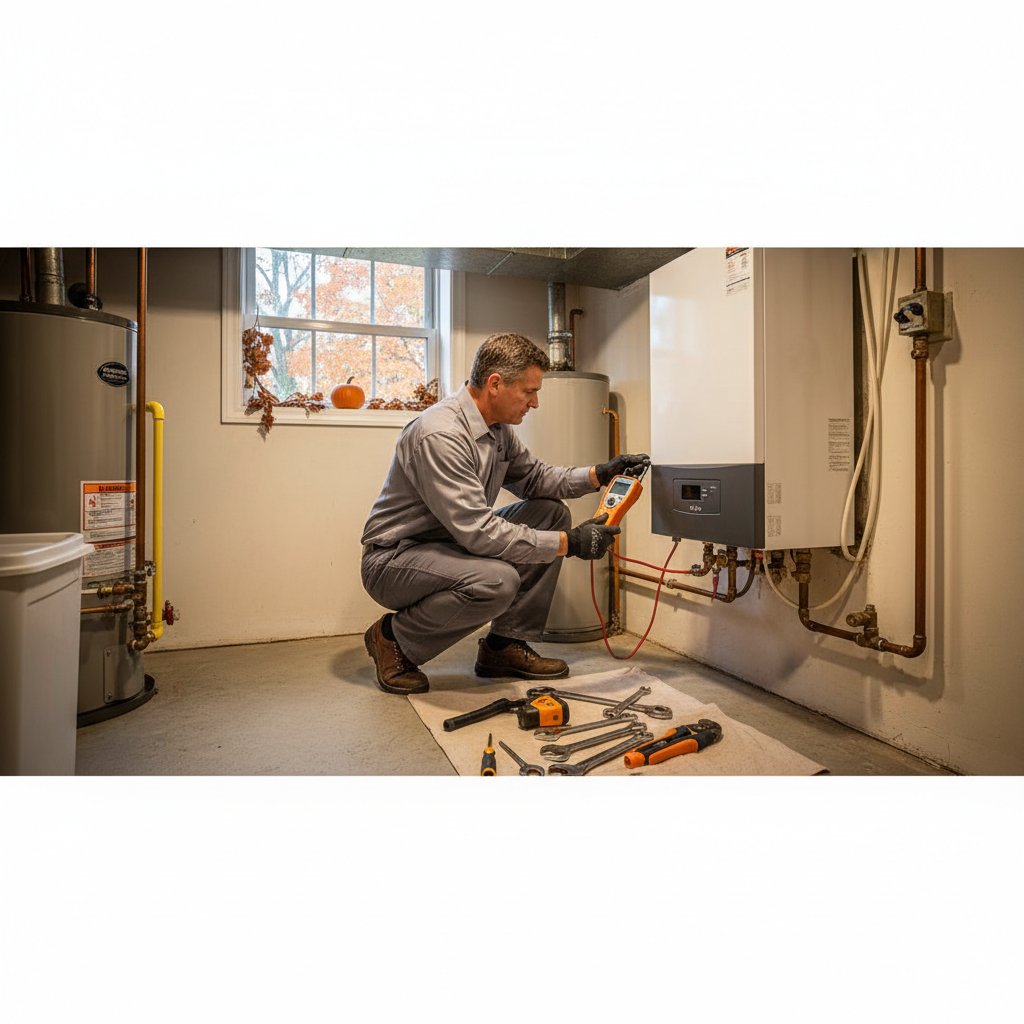
A comprehensive fall heating tune-up for Long Island homes involves inspecting the heat exchanger for cracks, cleaning burners, testing the thermostat, checking carbon monoxide detectors, and bleeding radiators (for boiler systems). Performing these steps before the first freeze prevents costly emergency repairs, reduces energy bills by up to 15%, and ensures your family remains safe from gas leaks or combustion issues throughout the harsh New York winter.
Why a Fall Tune-Up is Non-Negotiable
Skipping your autumn maintenance leads to more than just a chilly living room; it creates significant safety and financial risks.
Common Risks of Neglected Systems:
- Carbon Monoxide Leaks: Cracked heat exchangers or blocked flues can vent odorless, lethal gas into your home.
- System Inefficiency: Dust buildup and worn parts force your system to work harder, skyrocketing your PSEG or National Grid bills.
- Total System Failure: The most common cause of a Christmas Day breakdown is a minor issue that could have been caught in October.
- Voided Warranties: Many manufacturers require annual professional maintenance to keep your equipment warranty valid.
The Long Island Context: Coastal Salt and Historic Infrastructure
Long Island homeowners face unique heating challenges. From the Gold Coast of Nassau County to the East End of Suffolk, our proximity to the Atlantic Ocean introduces salt air corrosion, which can prematurely degrade outdoor components and vents.
Furthermore, many Long Island neighborhoods feature older homes with hydronic (steam or hot water) boiler systems. These require specialized knowledge compared to modern forced-air units found in newer developments. Whether you are dealing with a 50-year-old cast iron boiler in Garden City or a high-efficiency Navien unit in Patchogue, the extreme temperature swings of New York’s shoulder season put immense stress on your plumbing and heating infrastructure.
Homeowner Checklist: DIY vs. Professional Intervention
What Homeowners Can Safely Do:
- Test the Thermostat: Switch to 'Heat' mode and ensure the system kicks on at the set temperature.
- Replace Filters: Change 1-inch pleated filters every 30-90 days for forced-air systems.
- Clear Obstructions: Ensure no furniture or curtains are blocking baseboard heaters or registers.
- Check Detectors: Replace batteries in all smoke and carbon monoxide detectors.
When to Call a Licensed Plumber:
- Blue to Yellow Flame: If your pilot light or burner flame is yellow/orange instead of crisp blue, you have a combustion issue.
- Strange Noises: Banging, whistling, or gurgling in pipes usually indicates air pockets or mechanical failure.
- Frequent Cycling: If the unit turns on and off every few minutes, the limit switch or sensor may be failing.
- Gas Smells: If you smell "rotten eggs," evacuate immediately and call a professional.
From a Long Island Plumber’s Perspective
"In my twenty years serving Nassau and Suffolk counties, the number one cause of emergency no-heat calls is simple sediment buildup. Long Island water can be hard on boiler components. A professional fall flush and a quick sensor cleaning don't just prevent a breakdown—they can add five to ten years to the lifespan of your system. Don't wait for the first snowstorm; by then, every plumber on the Island will have a week-long waiting list."
Stay Warm and Safe This Winter
Preparing your home for the New York winter doesn't have to be stressful. By following this checklist and scheduling a professional inspection, you can enjoy the peace of mind that comes with a reliable, efficient heating system. If you noticed any red flags during your DIY check, reach out to a licensed local plumbing and heating specialist to ensure your home is ready for whatever the Long Island winter throws your way.