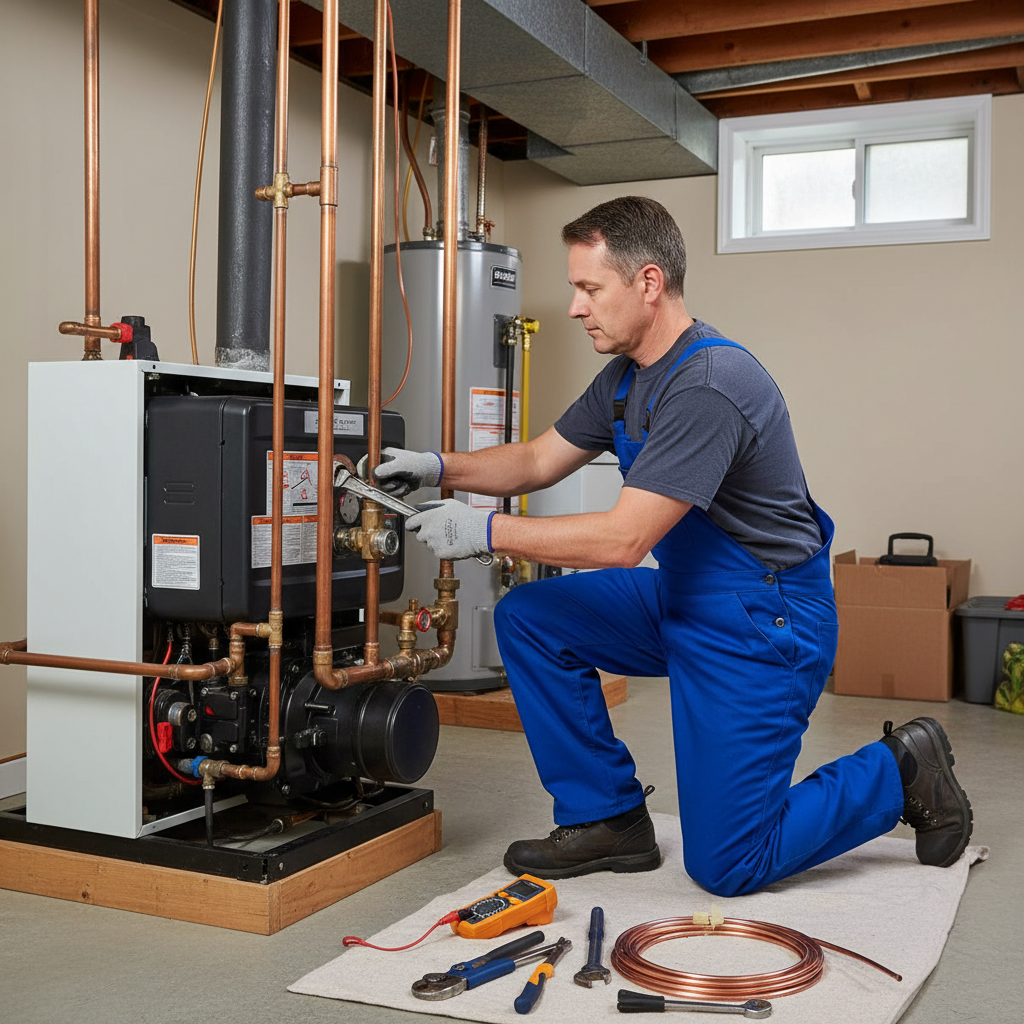
Home Heating Repair in Centereach: Your Complete Guide
Direct Answer
Home heating repair in Centereach typically involves diagnosing issues with burners, thermostats, or heat exchangers in oil or gas systems. If your heat fails, check your thermostat settings and circuit breaker first. However, due to the complexity of Long Island’s specialized hydronic and forced-air systems, professional repairs are required to ensure safety, local code compliance, and peak energy efficiency during cold New York winters.
Why Heating Systems Fail: Causes and Risks
Middle Country homeowners often face heating challenges due to aging infrastructure and extreme seasonal shifts. Understanding the "why" behind the failure helps prevent future breakdowns.
Common Causes of Heating Failure:
- Ignition or Pilot Light Issues: Dirt buildup can prevent burners from igniting, leaving you with cold air.
- Mechanical Wear and Tear: Overworked blowers and pumps often fail during the first deep freeze of the season.
- Thermostat Malfunctions: Faulty wiring or outdated sensors can cause short-cycling (turning on and off too frequently).
- Clogged Filters: Restricted airflow puts immense strain on a furnace, leading to a total system shutdown.
Risks of Delayed Repair:
- Carbon Monoxide Leaks: Cracked heat exchangers in gas furnaces can leak odorless, deadly gas into your Centereach home.
- Frozen Pipes: On Long Island, a heating failure quickly leads to frozen water lines, resulting in thousands of dollars in water damage.
- Higher Utility Bills: A struggling system consumes significantly more energy to maintain subpar temperatures.
The Long Island Context: Centereach Heating Nuances
In Suffolk County, particularly in Centereach and nearby Selden or Lake Grove, many homes rely on oil-to-gas conversions or older boiler systems. The salty, humid air characteristic of Long Island can accelerate the corrosion of external vents and components. Furthermore, because Centereach experiences rapid temperature drops, local systems are subjected to "cold starts" that stress the metal components of the heating unit more than in milder climates.
Homeowner Guidance: DIY vs. Licensed Professional
Before you call for emergency service, there are a few safe steps you can take. However, knowing your limits is essential for your family's safety.
What You Can Safely Check:
- The Thermostat: Ensure it is set to "Heat" and the temperature is higher than the room's current reading. Replace batteries if necessary.
- The Breaker Box: Check for tripped breakers that might have cut power to the furnace or boiler.
- Air Filters: Replace dirty filters every 90 days to maintain airflow.
- Emergency Switch: Ensure the red emergency shut-off switch (often located at the top of the basement stairs) hasn't been flipped by mistake.
When to Call a Licensed Plumber:
- If you smell gas (rotten eggs) or see soot around the unit.
- If the system is making loud banging, screeching, or whistling noises.
- If you have a boiler and notice leaks or puddles around the base.
- If your pilot light is yellow instead of blue.
From a Long Island Plumber's Perspective
"In my years serving the Centereach community, the most common issue we see isn't just hardware failure—it's lack of seasonal maintenance. Many Suffolk County homes have hydronic (hot water) systems that need to be bled of air annually. Don't wait for a blizzard to test your system; a quick inspection in October can save you from a cold house and high emergency rates in January."
Local Help is Near
Maintaining a warm, safe home shouldn't be a source of stress. Whether you are dealing with a faulty burner or need a full system upgrade to a modern high-efficiency unit, consulting with a specialized local licensed professional ensures the job meets New York State safety standards. Keep your family comfortable all winter long by addressing small heating issues before they become major emergencies.