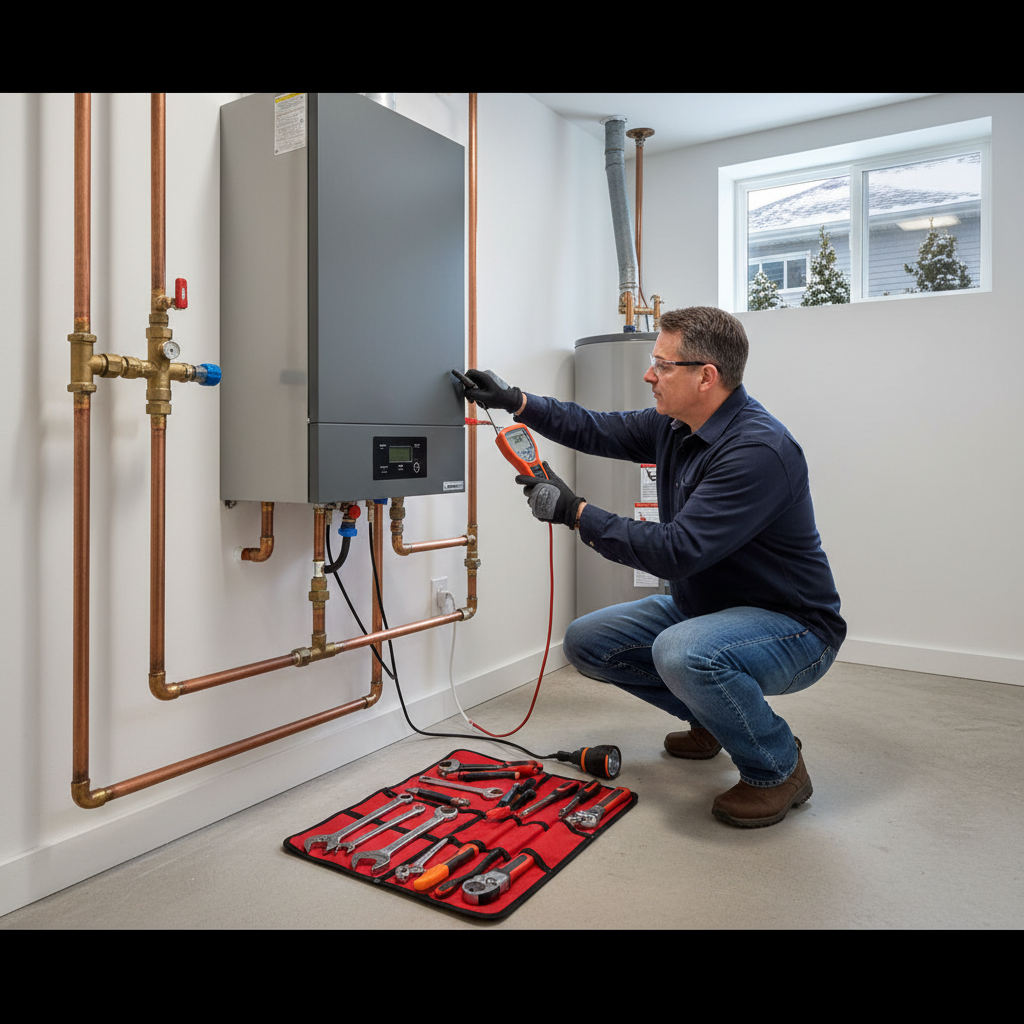
The Best Time for a Boiler Inspection
You should schedule a boiler inspection annually, ideally during the late summer or early fall (August through October), before the first Long Island frost. This ensures your heating system is safe, efficient, and capable of handling a New York winter. If you notice leaks, strange noises, or rising energy bills, schedule an inspection immediately regardless of the season.
Why Timing and Consistency Matter
Neglecting your boiler isn't just an efficiency issue; it’s a safety concern. A professional inspection addresses three critical areas:
- Safety Risks: Technicians check for carbon monoxide leaks, cracked heat exchangers, and faulty gas valves that could lead to fires or poisoning.
- System Longevity: Regular maintenance prevents sediment buildup and corrosion, extending the life of your unit by 5–10 years.
- Operational Efficiency: A tuned boiler uses less fuel to heat your home, which is vital given the high utility costs in the Tri-State area.
The Long Island Context: Why Our Region is Unique
Living on Long Island presents specific challenges for heating systems that homeowners in other regions might not face:
- Hard Water & Sediment: Many areas in Nassau and Suffolk County deal with hard water. Over time, mineral deposits build up inside the boiler pipes (scaling), significantly reducing heat transfer.
- Salt Air Corrosion: For coastal communities like Long Beach, Montauk, or the North Shore, salt air can accelerate the rusting of external casings and sensitive electrical components.
- Extreme Seasonal Swings: Our boilers sit dormant for months during humid summers and then run at 100% capacity during January polar vortexes. This "cold start" stress often causes seals to fail if they haven't been lubricated or checked.
Homeowner Guidance: What You Can Do vs. When to Call a Pro
What you can safely check:
- Visual Inspection: Look for puddles around the base or signs of rust on the tank.
- Flame Color: If you have a viewing window, the flame should be a crisp blue. A yellow or orange flame indicates poor combustion.
- Radiator Venting: Bleed your radiators if they feel cold at the top and hot at the bottom.
When to call a licensed Long Island plumber:
- If you smell gas or "rotten eggs" (Leave the house immediately and call National Grid or PSEG).
- If the boiler is "kettling" (making loud banging or whistling sounds).
- If your pressure gauge is consistently climbing above 20-25 PSI.
- To perform the annual internal cleaning and combustion analysis required for most manufacturer warranties.
From a Long Island Plumber’s Perspective
"In my twenty years servicing homes from Queens to the Hamptons, the #1 cause of mid-winter no-heat emergencies is a lack of preventative maintenance. Most of the 'emergency' calls we get in January could have been prevented with a simple $150 inspection in September. Think of your boiler like your car; you wouldn't drive to Florida without checking the oil, so don't head into a New York winter without checking your heat."
Keep Your Home Warm and Safe
Don't wait for the first snowstorm to find out your heating system is failing. A proactive inspection by a licensed professional ensures your family stays warm while keeping your energy bills manageable. If you haven't had your system serviced in the last 12 months, now is the time to reach out to a local Long Island plumbing and heating specialist to secure your spot before the winter rush.